

- Почтовый ящик:
- 1388xx888xx@gmail.com
- Телефон:
- 1388xx888xx
- Мобильные телефоны:
- 1388xx888xx
- Связь:
- Shawn
- Адрес:
- No. 17, Fengying Road, Taiping Town, Guangzhou, Guangdong, China
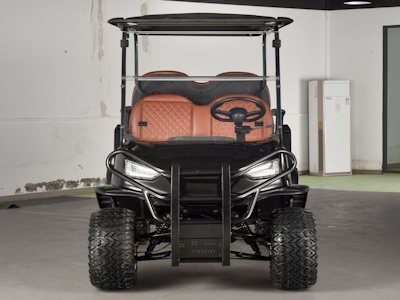
Электрический транспорт становится все более популярным в современном мире, предлагая экологичные и экономичные альтернативы традиционным автомобилям. Однако неправильный выбор может привести к ненужным расходам и разочарованию. В этой статье мы подробно разберем, как подойти к выбору электрического транспорта, избежать распространенных ошибок и существенно сэкономить. Мы охватим различные типы транспорта, от электромобилей до электросамокатов, и предоставим практические советы, основанные на реальном опыте и исследованиях.
1. Введение в электрический транспорт
Электрический транспорт включает в себя широкий спектр устройств, от персональных электросамокатов до полноценных электромобилей. Его популярность растет благодаря снижению выбросов CO2, низким эксплуатационным затратам и технологическим инновациям. Однако прежде чем совершать покупку, важно понимать, что не весь электрический транспорт одинаково подходит для всех нужд. Например, электромобиль может быть идеален для дальних поездок, но электросамокат лучше для городских перемещений. В этом разделе мы дадим обзор основных типов электрического транспорта и их преимуществ.
Согласно исследованиям, рынок электрического транспорта в России и мире растет на 20-30% ежегодно, что подчеркивает его востребованность. Но многие покупатели сталкиваются с проблемами, такими как нехватка зарядной инфраструктуры или высокая начальная стоимость. Наша цель — помочь вам navigate эти вызовы и сделать informed решение.
2. Типы электрического транспорта
Прежде чем углубляться в детали выбора, давайте классифицируем электрический транспорт. Это поможет сузить options и focus на том, что действительно нужно.
- Электромобили: Полноценные автомобили с electric двигателями, такие как Tesla Model 3 или Nissan Leaf. Подходят для ежедневных поездок и long-distance travel. Ключевые преимущества: нулевые выбросы, низкие затраты на топливо (электричество дешевле бензина), и современные технологии like autopilot. Однако они требуют significant investment и инфраструктуры для зарядки.
- Гибридные автомобили: Combustion engine combined with electric motor, e.g., Toyota Prius. Offer flexibility with lower emissions than pure petrol cars but still rely on fossil fuels. Good for transition to full electric.
- Электросамокаты и моноколеса: Lightweight personal transport for short distances. Ideal for urban commuting, with low cost and portability. Examples: Xiaomi Mi Electric Scooter. Drawbacks include limited range and weather dependence.
- Электровелосипеды: Bicycles with electric assist, perfect for fitness and eco-friendly travel. Can cover longer distances than scooters and are great for hilly areas.
- Другие виды: Include electric scooters for kids, golf carts, and even electric boats. Each has niche applications.
Choosing the right type depends on your lifestyle, budget, and local infrastructure. For instance, if you live in a city with good public charging, an electric car might be viable. Otherwise, a scooter could be more practical.
3. Ключевые факторы выбора
Чтобы избежать ошибок, consider these critical factors before buying electric transport.
- Бюджет: Determine how much you can spend not just on purchase, but also on maintenance, insurance, and charging. Electric vehicles have higher upfront costs but lower running costs. Set a realistic budget and stick to it to avoid overspending.
- Диапазон (Range): How far the vehicle can travel on a single charge. For cars, aim for at least 300 km for practicality. For scooters, 20-30 km might suffice for daily commutes. Check real-world tests, as advertised range can be optimistic.
- Зарядная инфраструктура: Assess availability of charging stations in your area. Home charging is convenient but requires installation. Public networks like ChargePoint or local providers in Russia are expanding, but coverage may vary.
- Цель использования: Define primary use: daily commute, leisure, or long trips. This influences type and size. For example, a compact electric car is great for city driving, while a larger model suits families.
- Технические характеристики: Look at battery life (typically 8-10 years for cars), motor power, and features like regenerative braking. Read reviews and compare models.
- Экологичность: Electric transport reduces carbon footprint, but consider the source of electricity (renewable vs. fossil fuels) for full eco-benefit.
- Гарантия и обслуживание: Choose brands with good warranty coverage, especially for batteries. Maintenance is simpler than ICE vehicles but still necessary.
By evaluating these factors, you can narrow down options and avoid impulsive buys that lead to regret.
4. Распространенные ошибки и как их избежать
Many buyers make mistakes that cost time and money. Here are common pitfalls and tips to sidestep them.
- Ошибка 1: Игнорирование реального диапазона. Advertised range is often under ideal conditions. In cold weather, range can drop by 20-30%. Solution: Test drive in similar conditions to your daily use and check online forums for user experiences.
- Ошибка 2: Неучет затрат на зарядку. While electricity is cheaper, installation of a home charger can be expensive. Public charging might have fees. Calculate total cost of ownership, including electricity rates in your region.
- Ошибка 3: Выбор неподходящего типа. Buying a large electric SUV for solo city commuting is overkill. Match the vehicle to your needs. For urban areas, smaller options like scooters or compact cars are better.
- Ошибка 4: Пренебрежение исследованием. Rushing into a purchase without reading reviews or comparing models. Spend time researching reliability, customer service, and resale value.
- Ошибка 5: Игнорирование инфраструктуры. Assuming charging stations are everywhere. Check maps like PlugShare to ensure availability in your routes.
To avoid these, create a checklist based on the factors above and consult with experts or current owners.
5. Стратегии экономии
Electric transport can save money in the long run, but smart choices amplify savings.
- Покупка подержанного транспорта: Used electric vehicles often come with remaining battery warranty and are significantly cheaper. Sites like Avito or specialized dealers offer options. Ensure a thorough inspection, especially of the battery health.
- Использование государственных субсидий: In many countries, including Russia, there are incentives for electric vehicle purchases, such as tax breaks or rebates. Research local programs to reduce upfront cost.
- Сравнение моделей и брендов: Don't settle for the first option. Compare prices, features, and running costs. Brands like Tesla might be premium, but others like Hyundai or Kia offer great value.
- Экономия на зарядке: Charge during off-peak hours when electricity rates are lower. Install solar panels for free charging if feasible.
- Содержание и обслуживание: Electric vehicles have fewer moving parts, reducing maintenance costs. DIY basic checks can save on service fees.
- Совместное использование или аренда: For occasional use, consider sharing services or rentals instead of buying, which can be more economical.
By adopting these strategies, you can cut costs without compromising on quality.
6. Практические примеры и кейсы
Let's look at real-world examples to illustrate successful choices.
Пример 1: Семья из Москвы. They needed a car for daily school runs and weekend trips. After research, they chose a used Nissan Leaf with a 40 kWh battery, costing 1.5 million rubles. They saved by charging at home during night rates and利用ed a government grant. After one year, savings on fuel compared to their previous petrol car amounted to 50,000 rubles.
Пример 2: Студент из Санкт-Петербурга. For urban commuting, he bought a Xiaomi electric scooter for 30,000 rubles. It covers his 10 km daily commute, saving on public transport costs. He avoids traffic and parking fees, with annual savings of about 20,000 rubles.
These cases show how tailored choices lead to financial benefits.
7. Будущее электрического транспорта и trends
The industry is evolving rapidly. Understanding trends can help future-proof your investment.
Advances in battery technology are increasing range and reducing costs. Solid-state batteries promise faster charging and longer life. Autonomous features are becoming standard, enhancing safety and convenience.
In Russia, infrastructure is improving with projects like Moscow's expansion of charging stations. Government policies are encouraging adoption, which may lead to better incentives.
By staying informed, you can make choices that remain relevant for years.
8. Заключение
Choosing electric transport wisely requires careful consideration of your needs, budget, and local conditions. By avoiding common mistakes and employing saving strategies, you can enjoy the benefits of eco-friendly travel while keeping costs down. Start with a clear plan, do thorough research, and don't hesitate to seek advice. The future of transportation is electric, and with the right approach, you can be part of it without regrets.
Remember, the key is to balance immediate costs with long-term savings. Happy and efficient driving!
Резюме: Электрический транспорт offers significant advantages, but success depends on informed decision-making. Use this guide to navigate your options and maximize economy.