

- Почтовый ящик:
- 1388xx888xx@gmail.com
- Телефон:
- 1388xx888xx
- Мобильные телефоны:
- 1388xx888xx
- Связь:
- Shawn
- Адрес:
- No. 17, Fengying Road, Taiping Town, Guangzhou, Guangdong, China
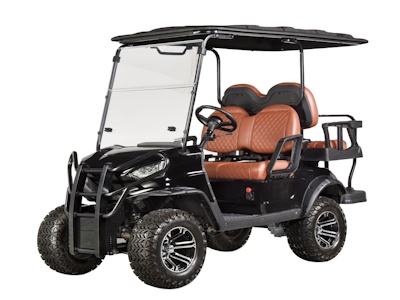
В современном мире электротранспорт становится неотъемлемой частью нашей повседневной жизни. От электромобилей и электросамокатов до электроскутеров и гибридных велосипедов — эти технологии трансформируют то, как мы перемещаемся. Но за кулисами этой революции скрывается ключевой компонент, который часто упускают из виду: колеса. Именно они являются основой любого транспортного средства, и с внедрением инновационных технологий колеса для электротранспорта выходят на новый уровень, предлагая беспрецедентную эффективность, безопасность и устойчивость. В этой статье мы глубоко погрузимся в мир инновационных колес, исследуя последние разработки, материалы, умные системы и будущие тенденции, которые делают электротранспорт не просто альтернативой, а превосходным выбором для современного общества.
Введение в электротранспорт и роль колес
Электротранспорт, или e-mobility, охватывает широкий спектр транспортных средств, приводимых в движение электрическими двигателями. Это включает в себя легковые электромобили (EV), грузовики, автобусы, мотоциклы, скутеры, велосипеды и даже новые формы мобильности, такие как дроны и персональные транспортные устройства. По данным Международного энергетического агентства (IEA), глобальные продажи электромобилей выросли с 2 миллионов в 2019 году до более чем 10 миллионов в 2022, и ожидается, что к 2030 году они составят до 30% всех продаж новых автомобилей. Этот взрывной рост движется стремлением к снижению выбросов углекислого газа, улучшению качества воздуха в городах и повышению энергоэффективности.
Однако успех электротранспорта зависит не только от батарей и двигателей. Колеса — это критически важный элемент, который непосредственно влияет на производительность, безопасность и комфорт. Традиционные колеса, используемые в обычных транспортных средствах, часто не оптимизированы для уникальных требований электротранспорта, таких как более высокие крутящие моменты, рекуперативное торможение и необходимость в легкости для увеличения запаса хода. Инновационные технологии в колесах адресуют эти challenges, предлагая решения, которые enhance overall vehicle performance.
Например, колеса для электромобилей должны выдерживать instant torque from electric motors, which can be significantly higher than in internal combustion engines. This requires stronger and more durable materials. Additionally, regenerative braking systems, which convert kinetic energy back into electrical energy, place unique demands on wheel design to minimize energy loss and maximize efficiency. Moreover, as cities become smarter and more connected, wheels are evolving into intelligent components that can communicate with other systems, providing real-time data on tire pressure, temperature, and road conditions.
In this article, we will explore the various aspects of innovative wheels for e-mobility, including advanced materials like carbon fiber and smart polymers, integration with IoT and AI, sustainability initiatives, and future trends. By the end, you will have a comprehensive understanding of how these wheels are shaping the future of transportation and why they are essential for a sustainable and efficient mobility ecosystem.
Advanced Materials in Wheel Innovation
One of the most significant advancements in wheel technology for e-mobility is the use of advanced materials. Traditional wheels are typically made from steel or aluminum alloys, which are durable but heavy. For electric vehicles, reducing weight is crucial because it directly impacts energy consumption and range. Lighter wheels mean less energy required for acceleration and deceleration, leading to longer battery life and reduced charging frequency.
Carbon fiber composites are at the forefront of this innovation. These materials offer an exceptional strength-to-weight ratio, being up to five times stronger than steel while weighing significantly less. For instance, carbon fiber wheels can reduce unsprung mass (the weight of components not supported by the suspension), which improves handling, ride comfort, and overall vehicle dynamics. Companies like Carbon Revolution and Dymag have developed carbon fiber wheels for high-performance electric vehicles such as the Tesla Model S and Rimac Nevera, showcasing reductions in weight of up to 40% compared to aluminum wheels.
Another promising material is magnesium alloys. Magnesium is even lighter than aluminum and has good mechanical properties, but it has been limited by corrosion issues. Recent advancements in coating technologies, such as plasma electrolytic oxidation (PEO), have made magnesium wheels more viable for mass production. These wheels are not only lightweight but also offer better heat dissipation, which is beneficial for electric motors and braking systems.
Smart materials are also emerging. For example, shape-memory alloys and polymers can be integrated into wheels to adapt to changing road conditions. Imagine a wheel that changes its tread pattern or stiffness based on weather—soft for wet roads to improve grip, and firm for dry conditions to reduce rolling resistance. This is not science fiction; companies like Goodyear are experimenting with such concepts in their reCharge and Aero tire prototypes, which use biodegradable materials and AI to self-adjust.
Furthermore, 3D printing, or additive manufacturing, is revolutionizing wheel production. It allows for complex geometries that are impossible with traditional methods, enabling lightweight, hollow structures that maintain strength. Local Motors, for instance, has used 3D printing to create custom wheels for their autonomous electric vehicles, reducing material waste and production time.
These material innovations are not just about performance; they also contribute to sustainability. Lighter wheels mean lower energy consumption, and the use of recyclable or biodegradable materials reduces environmental impact. As e-mobility continues to grow, the adoption of these advanced materials will become increasingly standard, driving further improvements in efficiency and eco-friendliness.
Integration of Smart Technologies
Beyond materials, the integration of smart technologies is transforming wheels into intelligent components of the e-mobility ecosystem. The Internet of Things (IoT) and artificial intelligence (AI) are being embedded into wheel systems to enhance safety, efficiency, and user experience.
Smart tires are a prime example. These tires are equipped with sensors that monitor parameters such as pressure, temperature, tread wear, and load. For electric vehicles, maintaining optimal tire pressure is critical because under-inflated tires can increase rolling resistance by up to 10%, significantly reducing range. Companies like Bridgestone and Michelin have developed tires with built-in sensors that transmit data to the vehicle's onboard computer or a smartphone app. This allows for real-time alerts and predictive maintenance, preventing issues before they become serious.
AI algorithms can analyze this data to provide insights. For instance, by correlating tire pressure with driving patterns and road conditions, AI can suggest optimal inflation levels for different scenarios, such as highway driving versus city traffic. This not only improves efficiency but also extends tire life, reducing waste and costs.
Another innovation is the integration of energy harvesting systems into wheels. Kinetic energy recovery systems (KERS), commonly used in Formula 1, are being adapted for electric vehicles. These systems capture energy during braking and convert it into electricity, which is stored in the battery. While regenerative braking is already a standard feature in many EVs, advanced wheel designs can maximize this energy capture. For example, wheels with embedded piezoelectric materials generate electricity from vibrations and deformations, providing an additional source of power.
Connectivity is also key. Smart wheels can communicate with infrastructure, such as smart roads and traffic systems, to optimize routing and avoid congestion. In autonomous electric vehicles, wheels with sensors can detect road hazards like potholes or ice and adjust the vehicle's speed or trajectory accordingly. This enhances safety and reduces the risk of accidents.
Moreover, user customization is becoming possible through smart wheels. Apps can allow drivers to adjust tire pressure or stiffness for different driving modes—e.g., a sport mode for better handling or an eco-mode for maximum range. This level of personalization makes e-mobility more appealing and adaptable to individual needs.
These smart technologies are not without challenges. Issues such as data security, cost, and integration with existing vehicle systems need to be addressed. However, as technology advances and costs decrease, smart wheels will become a standard feature in electric transportation, paving the way for fully autonomous and connected mobility solutions.
Sustainability and Environmental Impact
Sustainability is a core driver of the e-mobility revolution, and innovative wheels play a vital role in reducing the environmental footprint of transportation. From production to end-of-life, every aspect of wheel design is being rethought to minimize impact.
First, the use of sustainable materials is gaining traction. As mentioned earlier, carbon fiber and magnesium alloys reduce weight, which lowers energy consumption during vehicle operation. But beyond that, researchers are developing wheels from renewable sources. For example, tires made from dandelion rubber or guayule plants are being tested as alternatives to traditional petroleum-based rubber. These bio-based materials are not only sustainable but also often biodegradable, addressing the problem of tire waste, which is a significant environmental issue—millions of tires are discarded annually, contributing to pollution and landfill overflow.
Recycling and circular economy principles are being applied to wheel manufacturing. Companies are designing wheels for disassembly and reuse. Aluminum and steel wheels can be easily recycled, but advanced materials like carbon fiber pose challenges due to their complex composition. However, innovations in recycling technologies, such as pyrolysis, which breaks down carbon fiber into reusable fibers, are making it possible to recover materials from end-of-life wheels. This reduces the need for virgin resources and lowers carbon emissions associated with production.
Energy efficiency is another key aspect. Lighter wheels and smart technologies that optimize performance contribute to lower energy consumption. For instance, by reducing rolling resistance through advanced tread designs and materials, wheels can help electric vehicles achieve greater range on a single charge. This is particularly important as the electricity grid transitions to renewable sources; more efficient vehicles mean less demand on the grid and lower overall emissions.
Lifecycle assessments (LCA) are being used to evaluate the environmental impact of wheels. These assessments consider everything from raw material extraction to manufacturing, use, and disposal. By identifying hotspots for improvement, manufacturers can make informed decisions to enhance sustainability. For example, switching to water-based coatings instead of solvent-based ones can reduce volatile organic compound (VOC) emissions during production.
Policy and regulations are also driving sustainability. Governments worldwide are implementing standards for vehicle efficiency and emissions, which incentivize the adoption of innovative wheels. In the European Union, the Euro 7 standards and initiatives like the Green Deal encourage the development of eco-friendly transportation components.
Ultimately, the goal is to create a closed-loop system where wheels are produced, used, and recycled with minimal waste. As e-mobility expands, sustainable wheel technologies will be essential for achieving carbon neutrality and protecting the planet for future generations.
Future Trends and Innovations
The future of wheels for e-mobility is bright and filled with exciting possibilities. As technology continues to evolve, we can expect even more groundbreaking innovations that will further enhance the performance, safety, and sustainability of electric transportation.
One emerging trend is the development of airless tires. Traditional pneumatic tires are prone to punctures and require maintenance, but airless tires, made from flexible materials like polyurethane, eliminate these issues. Companies like Michelin with their Uptis (Unique Puncture-proof Tire System) are testing airless tires for electric vehicles. These tires offer improved durability, reduced maintenance, and better resistance to road hazards, making them ideal for urban e-mobility applications like shared scooters and autonomous delivery vehicles.
Another frontier is the integration of wheels with vehicle-to-everything (V2X) communication. In the future, wheels could act as nodes in a connected network, exchanging data with other vehicles, infrastructure, and even pedestrians. This could enable cooperative driving, where vehicles coordinate their movements to avoid collisions and optimize traffic flow, reducing congestion and emissions.
Advancements in energy storage might see wheels incorporating battery technologies. Imagine a wheel with built-in supercapacitors or solid-state batteries that store energy harvested from braking or solar panels integrated into the wheel cover. This could provide auxiliary power for vehicle systems or even extend range without adding weight to the chassis.
Biomimicry is inspiring new designs. By studying nature, engineers are creating wheels that mimic the efficiency of animal locomotion. For example, tires with patterns inspired by gecko feet could offer unparalleled grip on various surfaces, while structures模仿 honeycomb provide strength with minimal weight.
Autonomous and electric vehicles will drive demand for wheels that are not only functional but also aesthetically customizable. With 3D printing and smart materials, consumers might be able to order wheels with personalized designs, colors, and functionalities, downloaded and manufactured locally.
However, challenges remain. Cost is a significant barrier; advanced materials and technologies are often expensive, limiting widespread adoption. Standardization and interoperability issues need to be resolved to ensure that smart wheels can communicate across different vehicle brands and systems. Additionally, regulatory frameworks must evolve to address safety and privacy concerns related to connected technologies.
Despite these challenges, the pace of innovation is rapid. Collaborations between automotive manufacturers, tech companies, and research institutions are accelerating development. As we move towards a future dominated by electric and autonomous vehicles, wheels will continue to be a focal point of innovation, driving progress in mobility that is smarter, safer, and more sustainable.
Conclusion
In conclusion, wheels for electronic transportation with innovative technologies are not just a component but a catalyst for the broader e-mobility revolution. From advanced materials like carbon fiber and smart polymers to integrations with IoT and AI, these innovations are enhancing efficiency, safety, and sustainability. Smart wheels provide real-time data and adaptive capabilities, while sustainable designs reduce environmental impact through lighter weight, recyclable materials, and energy-efficient features.
The future holds even more promise, with trends like airless tires, V2X communication, and biomimetic designs set to transform how we think about mobility. As adoption of electric vehicles grows, the importance of innovative wheels will only increase, making them a critical area of focus for manufacturers, policymakers, and consumers alike.
Embracing these technologies is essential for building a transportation system that is not only efficient and convenient but also respectful of our planet. By investing in and adopting innovative wheels, we can accelerate the transition to a cleaner, smarter, and more connected world. The wheels of change are indeed in motion, and they are rolling towards a brighter future for all.